Decking Timber Options
Selecting the right decking timber for your upcoming project is one of the most important decisions you’re going to make.
You’ll probably have a colour range in mind, or a particular look that you want to achieve, although you may not have considered some of the other important factors –
- How much maintenance will be required?
- What timber options offer resistance to termites or fire?
- What options are most suitable to your climate and surroundings?
MAINTENANCE
The majority of Australian and imported hardwood timbers will require ongoing maintenance in order to preserve the appearance and performance of the deck or structure. As a rule of thumb, most decking timber options should be sealed or oiled every 12 months, however the frequency required will vary depending on the exposure to weather and level of use.
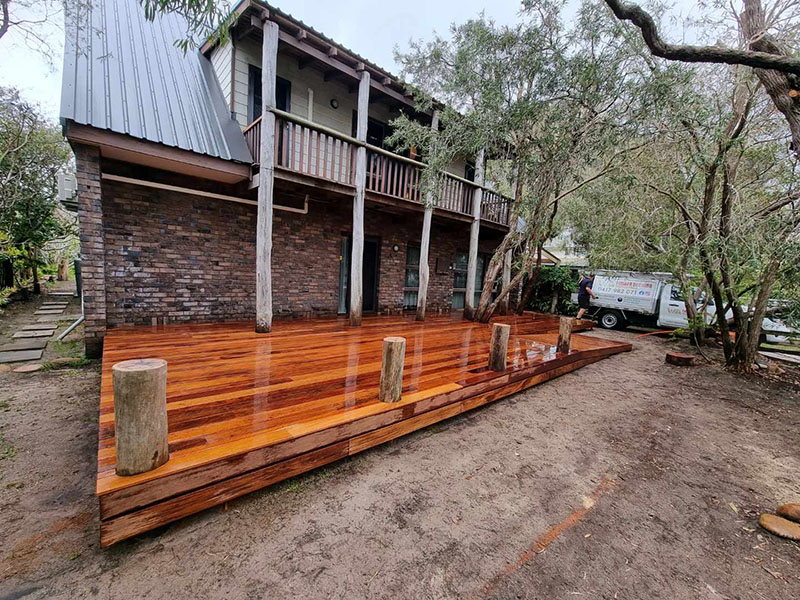
Ironbark is an eco-friendly Australian hardwood timber that will remain durable and achieve a unique weathered look with virtually no maintenance. However, if you’re seeking a more polished finish, it should be protected from the elements with a good sealer annually.
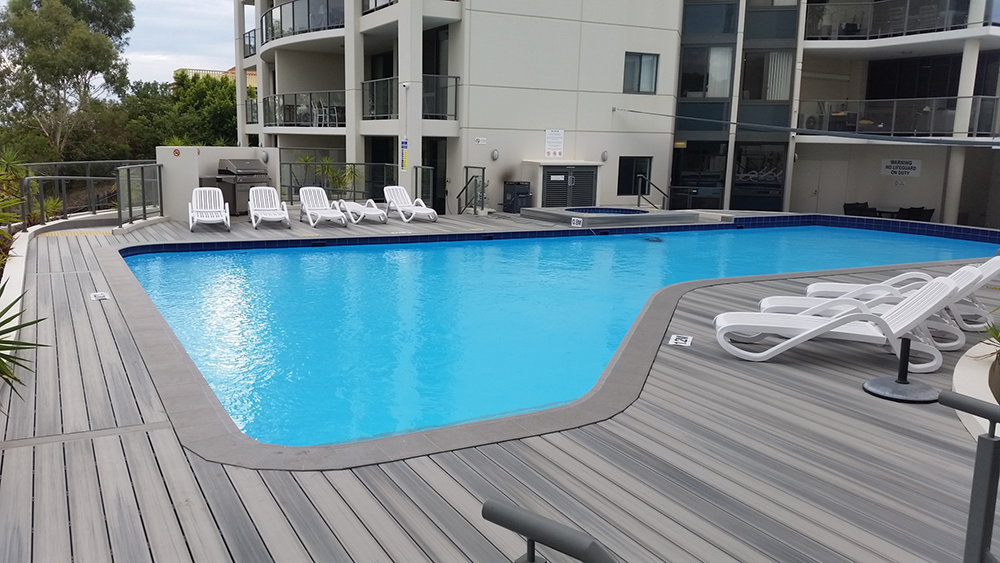
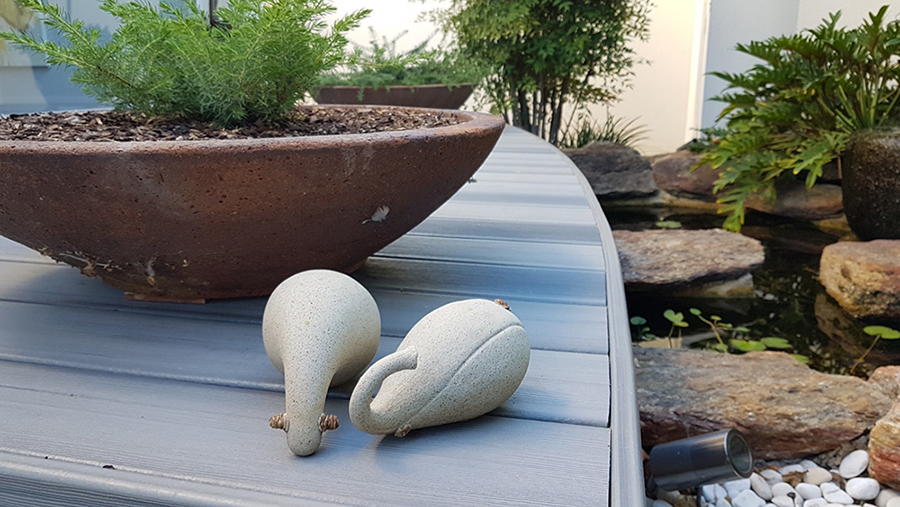
Most composite decking options also require little to no ongoing maintenance. Composites are artificial timbers that are generally manufactured using a combination of wood fibers, plastics and binding agents. A good quality composite is very resilient to extreme climate conditions however care should be taken to check your composite supplier, product guide warranty. A quality composite should last for many years despite there being little maintenance other than a regular clean.
FIRE RESISTANCE
If you’re located in a bushfire prone area, selecting a fire resistant decking timber is a vital factor. All Australian hardwood timbers are issued with a BAL (Bushfire Attack Level) Rating which defines their resistance to fire –
- BAL LOW – Lowest risk from a potential fire.
- BAL 12.5 – Risk is primarily from potential embers during a fire.
- BAL 19 – Moderate risk, particularly from embers and burning debris.
- BAL 29 – High risk, particularly from embers, debris and heat.
- BAL 40 – Very high risk. Likely to be impacted by embers, debris, heat and potentially flames.
- BAL FZ – Extreme risk. Directly exposed to the flames of a potential fire front.
Because it’s a combustible material, a fire resistant timber option is considered to be one with a BAL Rating of 29. It’s important to note that this rating is still at high risk, particularly from embers, debris and heat.
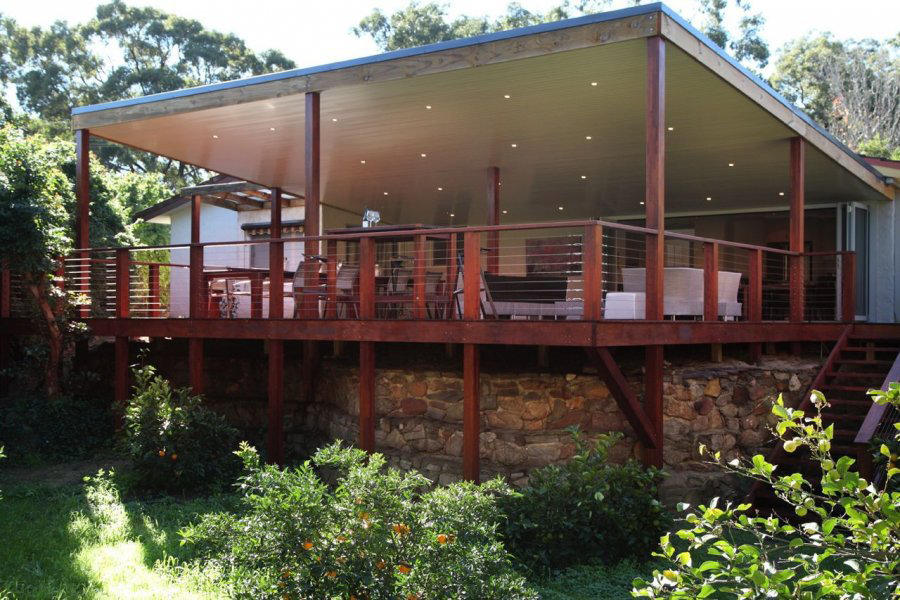
The best hardwood decking timber options for fire resistance are: Blackbutt, Merbau, Ironbark and Spotted Gum.
TERMITE RESISTANCE
Unfortunately, the entire south-west of Western Australia from north of Kalbarri right through to Esperance is considered to be a “catastrophic” or “serious” termite risk level area.
There are several Australian hardwood decking timber options that offer natural resistance to termites. Some of these include Blackbutt, Spotted Gum, Stringybark, Tallowwood, Jarrah, Red and Grey Ironbark. The Indonesian timber Merbau, is also naturally resistant to Merbau being a class 1 hardwood.
Another important consideration is the substrate timber (the underlying structural base of your decking). Treated Pine is a popular and cheaper option instead of hardwoods and is classified with a Hazard (H) class rating. We strongly recommend the use of H3 F7 Treated Pine for all substrate above-ground and H4 or H5 Treated Pine for any in-ground substrate. H6 Treated Pine is only required when timbers are in contact with salt water, for example, commercial marine applications such as marine piles and jetty cross bracing. All class ratings above H3 are resistant to termites.
CLIMATE & ENVIRONMENT
We’ll only scratch the surface of this topic, although in a nutshell it’s of the utmost importance to consider the position of your structure and how much exposure it will have to the elements when selecting the best decking timber option.
If you live in a wet climate or your structure is positioned next to a swimming pool, you’ll need to select a timber option and maintenance plan that can stand up to high levels of moisture.
Similarly, if you’re constructing a deck that will be exposed to the sun for most of the day, you may wish to consider a natural timber that regulates heat and is cooler to walk on in the summer months or alternatively a high quality composite with a lesser plastic component. Maintenance options for a full-sun exposure will differ than for a covered or shaded area.
WA TIMBER DECKING PROFESSIONALS
The skilled team at WA Timber Decking Professionals have constructed 100’s of custom built timber decks and structures throughout Perth and Western Australia. Check out our customer testimonials to read what just some of our many happy customers have to say.
If you’re considering a new timber deck or structure for your backyard or outdoor commercial area, make sure you get in touch to discuss your individual requirements. We’ll take the time to carefully understand your ideas and requirements, then provide a tailored recommendation that will not only look attractive, but meet your requirements and stand the test of time.
Contact us today to get the ball rolling and schedule an obligation free on-site inspection and custom quotation. What do you have to lose?